
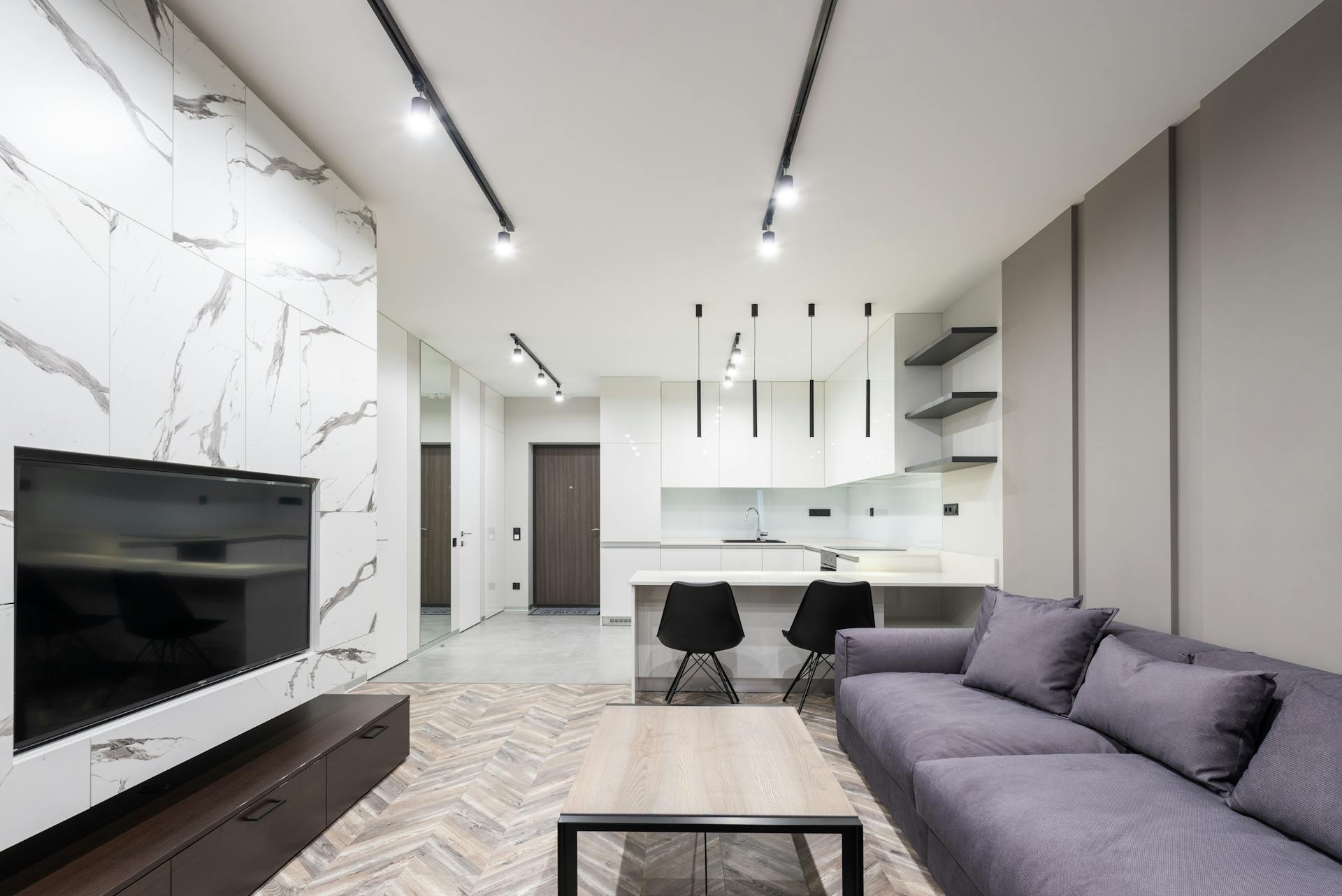
Modern homeowners are increasingly drawn to simple and intentional living spaces. Minimalist homes reflect this preference by focusing on clean design, functional layouts, and reduced clutter. Instead of filling rooms with numerous decorative items, minimalist interiors emphasize open space and purposeful choices. This design philosophy aligns with changing lifestyles. Many people now seek environments that support calm, organization, and clarity. A minimalist home offers more than visual simplicity. It creates a space where daily life can feel more manageable and balanced. The growing interest in minimalist homes shows how design choices often reflect broader shifts in personal values and modern living.
The Appeal of Simplicity in Home Design
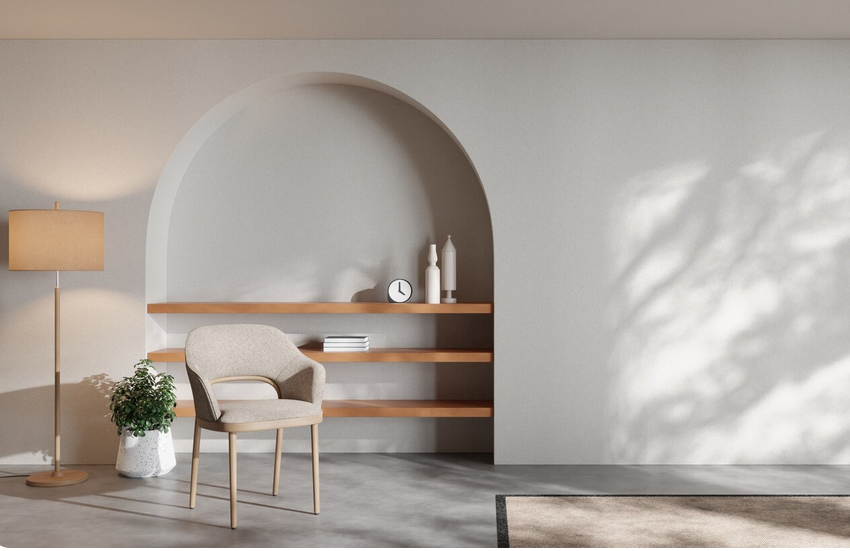
Minimalist homes highlight simplicity in both layout and decoration. Rooms often feature neutral colors, natural materials, and carefully selected furniture. This simplicity allows each design element to stand out. Instead of competing with excessive decoration, individual pieces gain visual importance. The result often feels calm and balanced. For many homeowners, a minimalist environment reduces visual distraction. A tidy and organized space can make daily routines easier to manage. Simplicity in design also helps ensure that rooms remain functional and comfortable for everyday living.
Creating a Calm and Peaceful Environment
Homes serve as places of rest and recovery after busy days. Minimalist spaces often support this purpose by creating a peaceful atmosphere. Clutter can contribute to feelings of stress or distraction. When rooms contain fewer objects, the environment often feels more open and relaxed. Soft lighting, neutral color palettes, and open floor plans further enhance this calm effect. These elements help ensure that the home feels welcoming and comfortable. Many homeowners appreciate how minimalist design encourages relaxation and quiet reflection within their living spaces.
Considering Efficient Use of Space
Minimalist homes focus on functionality. Furniture and design elements are selected based on how they contribute to daily activities. This approach often leads to more efficient use of space. Rooms are arranged to support movement and convenience rather than simply display decorative objects. Multi-purpose furniture also fits well within minimalist design. Storage solutions, foldable tables, or modular seating allow homeowners to adapt rooms to different needs. Efficient design helps ensure that even smaller homes feel spacious and practical.
Supporting Organized Living
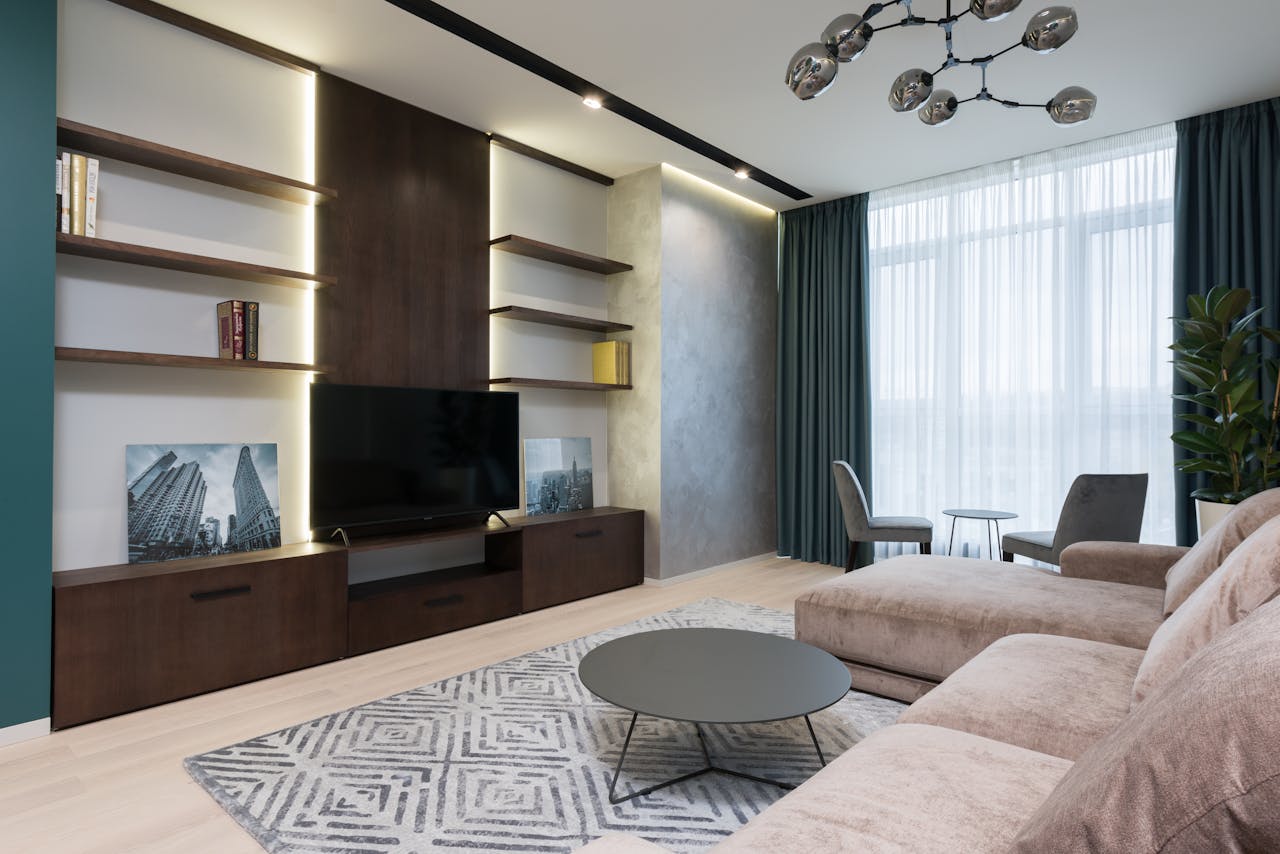
Organization plays a central role in minimalist homes. Storage systems are designed to keep belongings neatly arranged and easily accessible. When items have clear places within the home, maintaining order becomes simpler. This structure helps reduce the accumulation of unnecessary possessions. Many homeowners discover that minimalist living encourages more thoughtful purchasing decisions. Instead of collecting items impulsively, they focus on objects that serve a clear purpose. This approach supports a lifestyle where quality often matters more than quantity.
Reflecting Modern Lifestyle Preferences
Modern lifestyles often emphasize flexibility and efficiency. Many people balance work, family, and personal interests within the same living environment. Minimalist homes support these demands by offering adaptable spaces. Open layouts allow rooms to serve multiple functions throughout the day. For example, a dining area may also function as a workspace or study zone. Clear surfaces and organized storage help ensure transitions between activities remain smooth. This adaptability makes minimalist design particularly appealing to individuals who value practical and flexible living spaces.
A Long-Term Design Philosophy
Minimalism is more than a temporary trend. For many homeowners, it represents a long-term approach to living. By focusing on simplicity and thoughtful design, minimalist homes often remain timeless. Neutral color schemes and clean architectural lines rarely feel outdated. This durability can also influence property value. Homes with clear layouts and balanced design tend to appeal to a wide range of buyers. Homeowners who choose minimalist design often appreciate its lasting practicality and visual harmony.
Minimalist homes appeal to modern homeowners because they combine simplicity, functionality, and calm design. These spaces reduce visual clutter while supporting organized and flexible living. The philosophy behind minimalism encourages thoughtful choices about furniture, decoration, and daily routines. By focusing on essential elements, homeowners create environments that feel comfortable and balanced. As modern lifestyles continue to evolve, minimalist design remains a practical and attractive option. Its emphasis on clarity and purpose helps ensure that homes remain welcoming spaces for rest, work, and personal expression.